Back to portfolio

Case studies

Proof you can evaluate before a sprint.

Each case study separates status, role, architecture, reliability, tradeoffs, impact, stack, and proof so you can judge the work before deciding what to build.

Private productionProof page

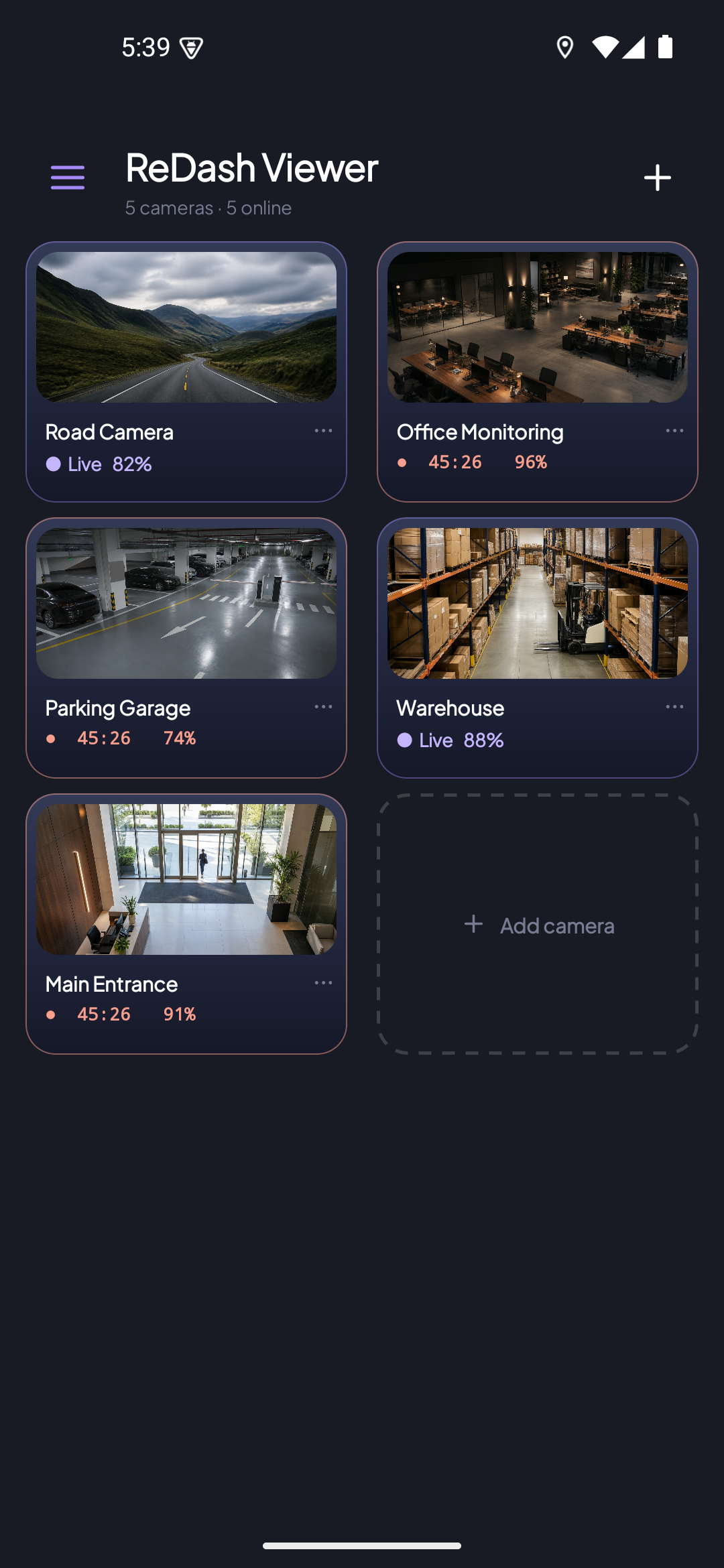
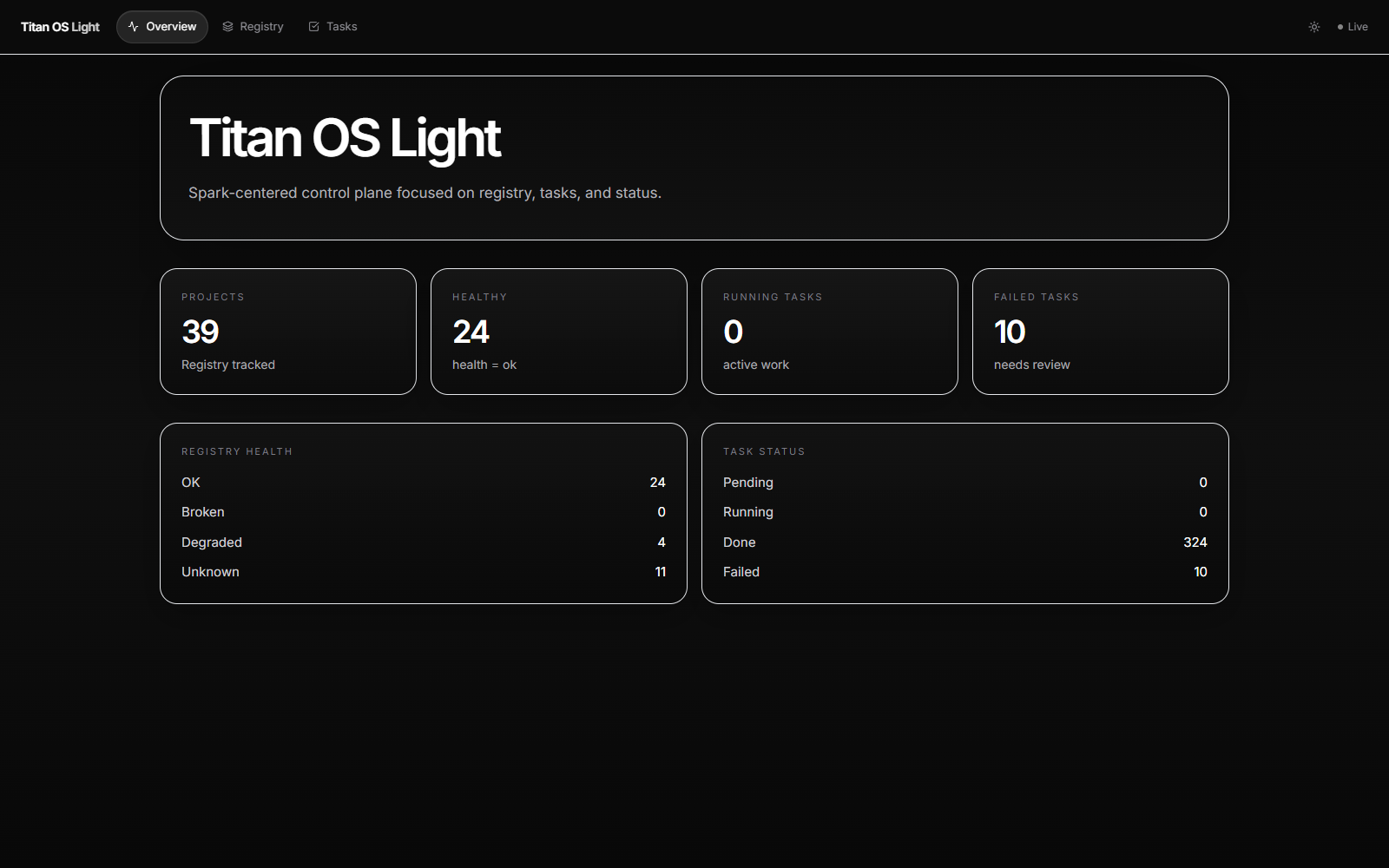
Agent operations system for shipping workflows

Distributed AI operating environment for delegating, checking, and shipping workflow implementation work.

Timeline: Built iteratively as the operating layer for real agent work across multiple machines.

Team: Solo builder/operator.

Stack: OpenClaw, LiteLLM, vLLM, Docker, systemd, Caddy, Tailscale, GPG vaults, Windows, Linux, macOS

Problem: AI implementation work was fragmented across chats, tools, machines, credentials, browsers, codebases, and deployment environments. The system needed memory, task routing, model fallback, browser access, and verification discipline.

What Kenneth built:

  • Designed a multi-host agent operating model with memory/wiki context, tool permissions, sub-agent delegation, scheduled jobs, and verification rules.
  • Routed workloads by host capability: local coordination, GPU/model serving, media processing, browser automation, and infrastructure operations.
  • Integrated cloud model usage with local fallback through LiteLLM/vLLM and OpenAI-compatible endpoints.
  • Created SOPs for build checks, smoke tests, browser checks, endpoint validation, blocker reporting, and deploy verification.

Architecture: Request -> OpenClaw orchestration -> tools/sub-agents -> local/cloud models -> verification gates -> deploy/report.

Reliability: Uses permissioned tools, vault-based secrets, build/lint/smoke gates, deployment checks, and explicit blocker reporting.

Tradeoffs: Private by design: host access, credentials, logs, and customer/business data cannot be public proof artifacts.

Business impact: Turns AI work from ad hoc chat output into a repeatable operating system for building, debugging, deploying, and auditing software/business workflows.

Proof: Architecture notes, repeated deploy/build validation logs, and public proof surfaces.

Private production architectureProof page

CRM automation that recovers follow-up

Follow-up automation architecture for inbound business conversations.

Timeline: Built as CRM and follow-up automation inside a broader business operations stack.

Team: Solo builder/operator.

Stack: Next.js, Supabase, webhooks, WhatsApp architecture, Vercel, TypeScript

Problem: Manual WhatsApp follow-up creates missed leads, weak context, and repeated operator work. The system needed structured capture, classification, logging, and follow-up scheduling.

What Kenneth built:

  • Implemented inbound classification, contact/profile upsert, conversation logging, message logging, and follow-up scheduling.
  • Built webhook routes, inbox UI, simulated outbound fallback, cache fixes, local build checks, smoke tests, and production endpoint validation.
  • Kept private contact data, conversations, credentials, and business logs out of public proof surfaces.

Architecture: Inbound WhatsApp/webhook event -> classification -> Supabase contact/profile upsert -> conversation/message log -> follow-up schedule -> inbox UI.

Reliability: Local build checks, smoke tests, endpoint validation, no-store cache headers, and private-data boundaries.

Tradeoffs: Public case study describes architecture and scope without exposing real customers, phone numbers, private messages, or credentials.

Business impact: Turns repeated follow-up into a trackable CRM workflow with clearer ownership, history, and next actions.

Proof: Scoped case-study details, deployment/process validation notes, and sanitized proof screenshots.

Public demo / private backendOpen live surface

Public AI interaction surface

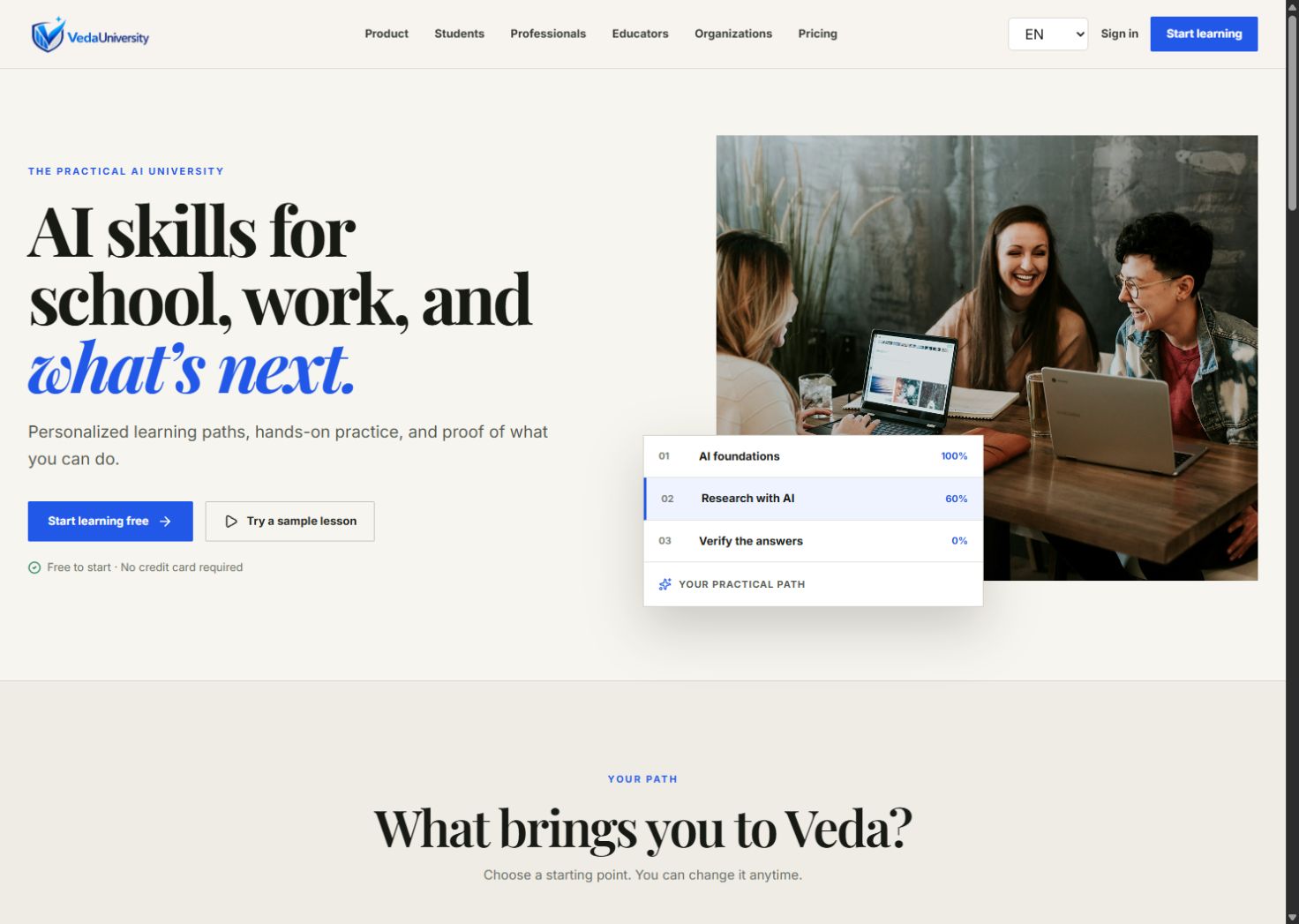
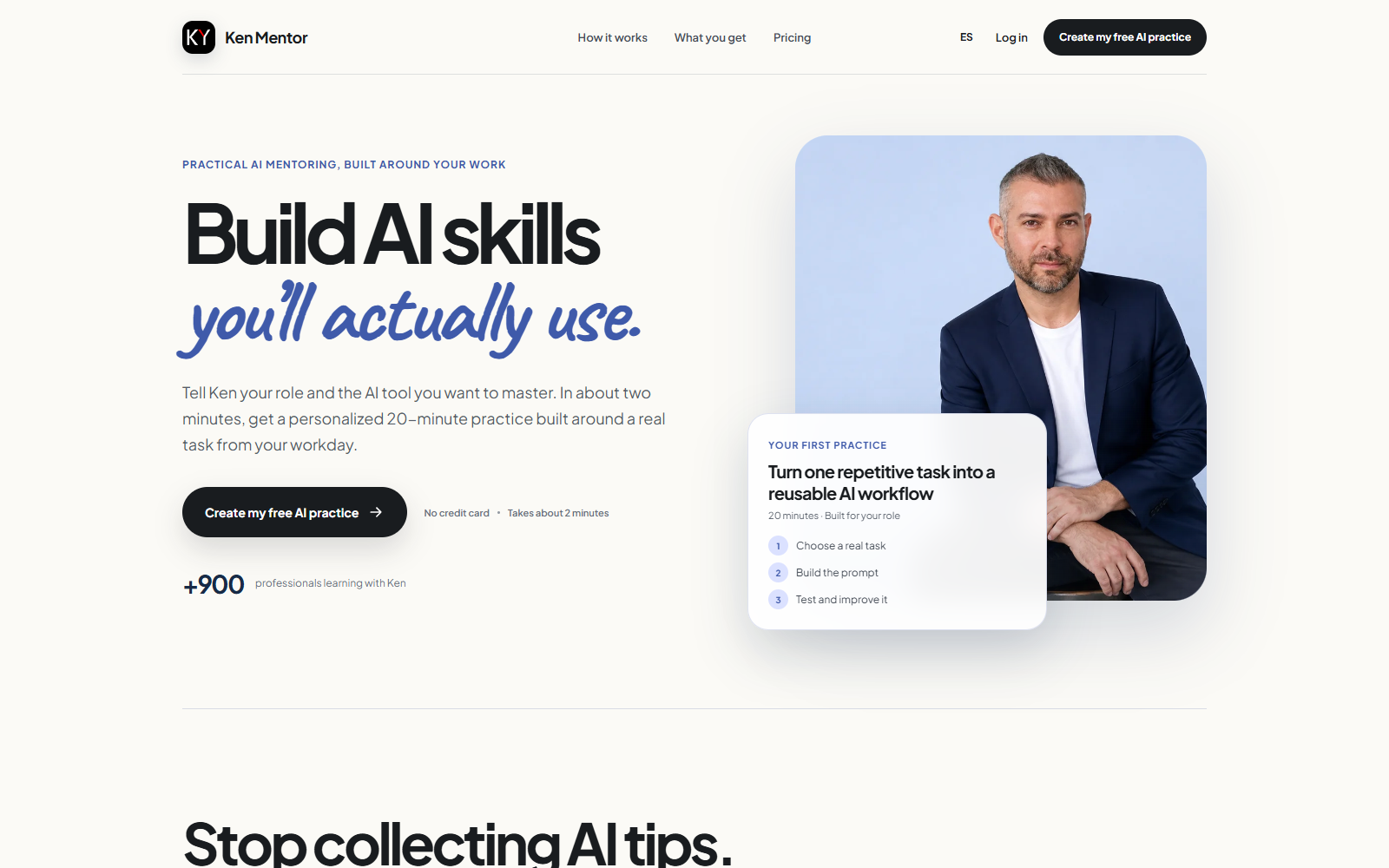
Public AI agent interaction surface built to feel like a product, not a prompt box.

Timeline: Prototype-to-public demo sprint; current public surface is live.

Team: Solo builder.

Stack: Next.js, TypeScript, Vercel, AI workflow architecture

Problem: Agent demos often look like internal tools. The project needed a public surface that could communicate AI workflow value quickly without exposing private backend actions.

What Kenneth built:

  • Built a public agent/chat product surface with responsive UI and production deployment.
  • Structured the experience around product proof instead of a generic chat interface.
  • Kept private agent actions, credentials, and production logs out of the public surface.

Architecture: Browser UI -> Next.js app -> private AI workflow/backend layer -> deployment on Vercel.

Reliability: Public route is smoke-tested after deploy; private actions and credentials are intentionally not exposed.

Tradeoffs: Kept the public demo lightweight instead of exposing private backend controls or logs.

Business impact: Provides a live AI-workflow proof link that can be inspected before a sprint conversation.

Proof: Live demo and screenshot proof page.

Private product / public proof surfacesOpen live surface

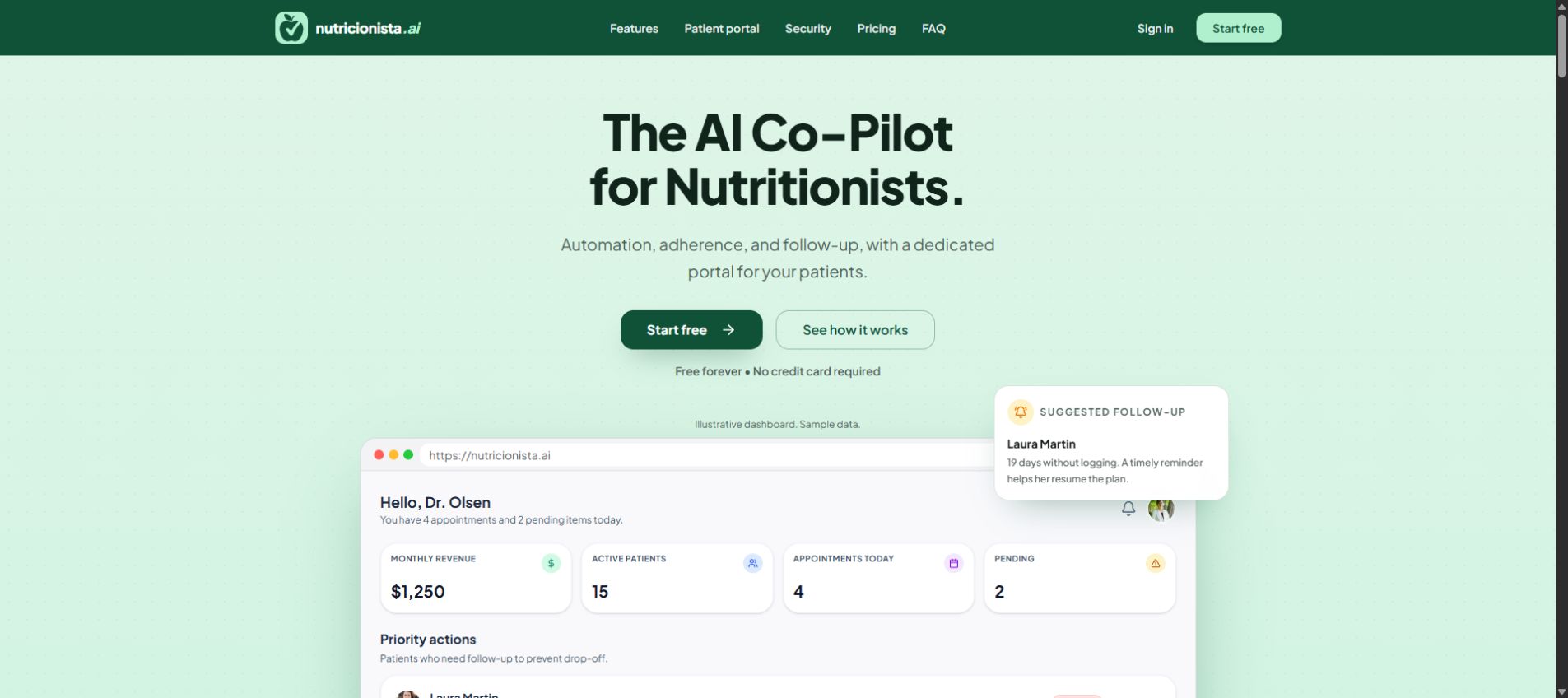
Customer-facing mobile workflow

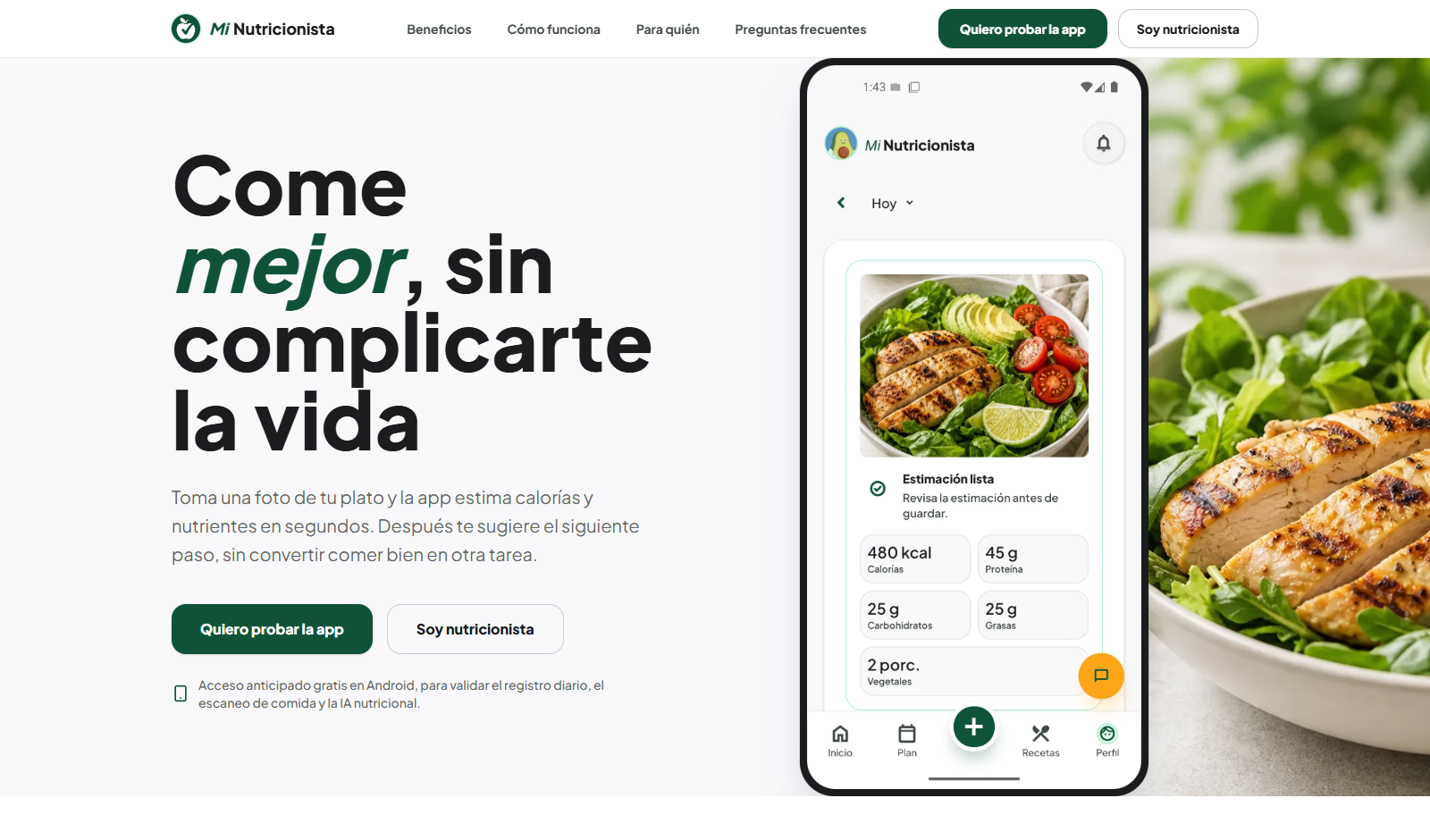
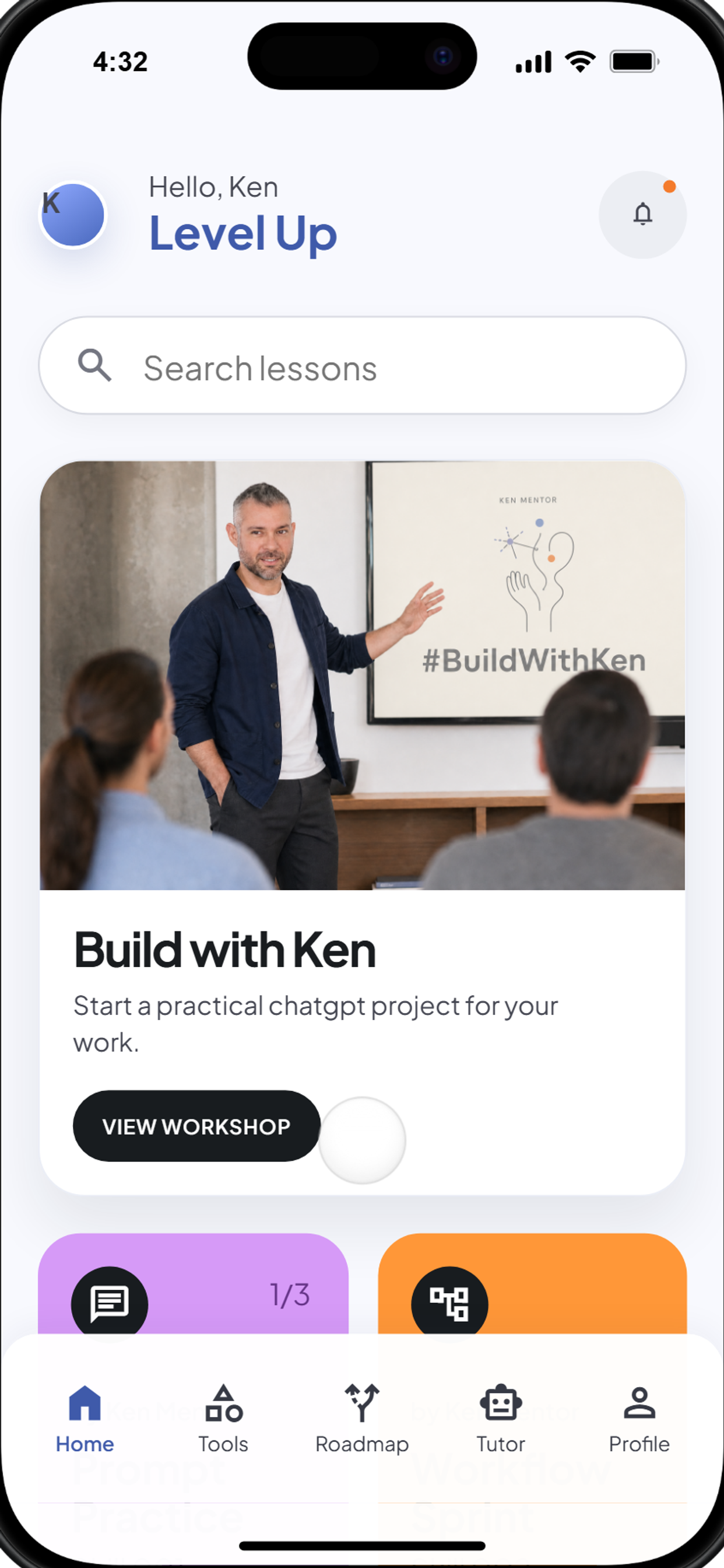
Customer-facing mobile and SaaS workflows for onboarding, check-ins, chat, logs, plans, and AI-assisted estimates.

Timeline: Built and captured through product QA flows in 2026.

Team: Founder-led / solo implementation.

Stack: React Native, Expo, Next.js, React, TypeScript, Supabase, Postgres, Vercel, AI estimate foundations

Problem: Customer workflows often split communication, tracking, admin tools, and AI assistance across disconnected surfaces. The product needed one coherent workflow for daily use and operational follow-up.

What Kenneth built:

  • Built mobile app surfaces for dashboard, chat, profile, plan, appointments, food diary, meal categories, and progress.
  • Built SaaS/admin surfaces for CRM, leads, appointments, onboarding, integrations, patient portal, and role-based workflows.
  • Implemented AI estimate foundations and product flows while keeping private health, billing, and admin data out of public proof.

Architecture: Mobile app + SaaS surfaces -> private product/backend layer -> role-based workflows -> public marketing/SEO surface.

Reliability: Public proof uses screenshots and scoped descriptions; private customer data, backend logs, and production credentials are not exposed.

Tradeoffs: Public proof shows product surfaces and flows instead of production customer data or private clinical workflows.

Business impact: Shows that Kenneth can ship customer-facing workflows, not only internal dashboards or automation scripts. Public metrics are currently limited to build scope and verifiable surfaces until customer ROI data is approved for publication.

Proof: Live public surface, mobile screenshot set, and scoped case-study details.